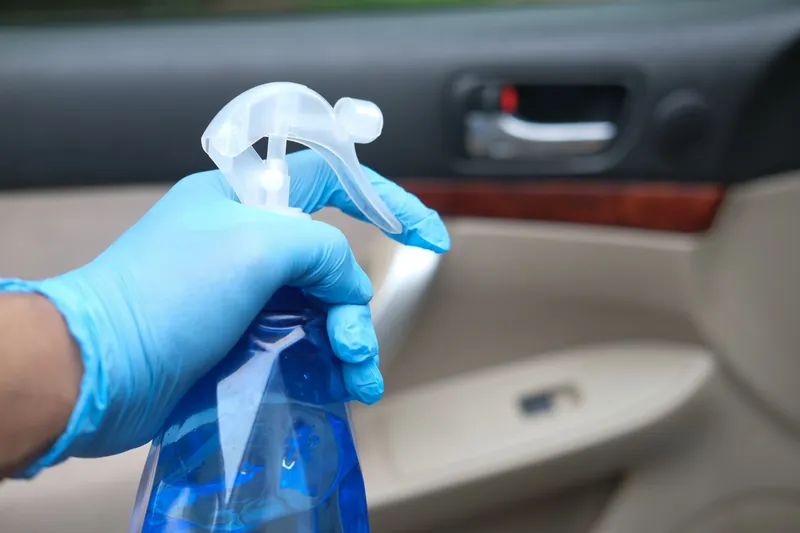
Police and Ambulance Vehicle Decontamination
Emergency vehicle decontamination covers transport units, police cars and ambulances.
See police and ambulance vehicle decontaminationGet blood, bodily fluids, waste and odor removed from a car, truck, RV or boat in Gastonia. Vehicle biohazard remediation reaches hidden contamination in seats, carpet, trim and the air system.
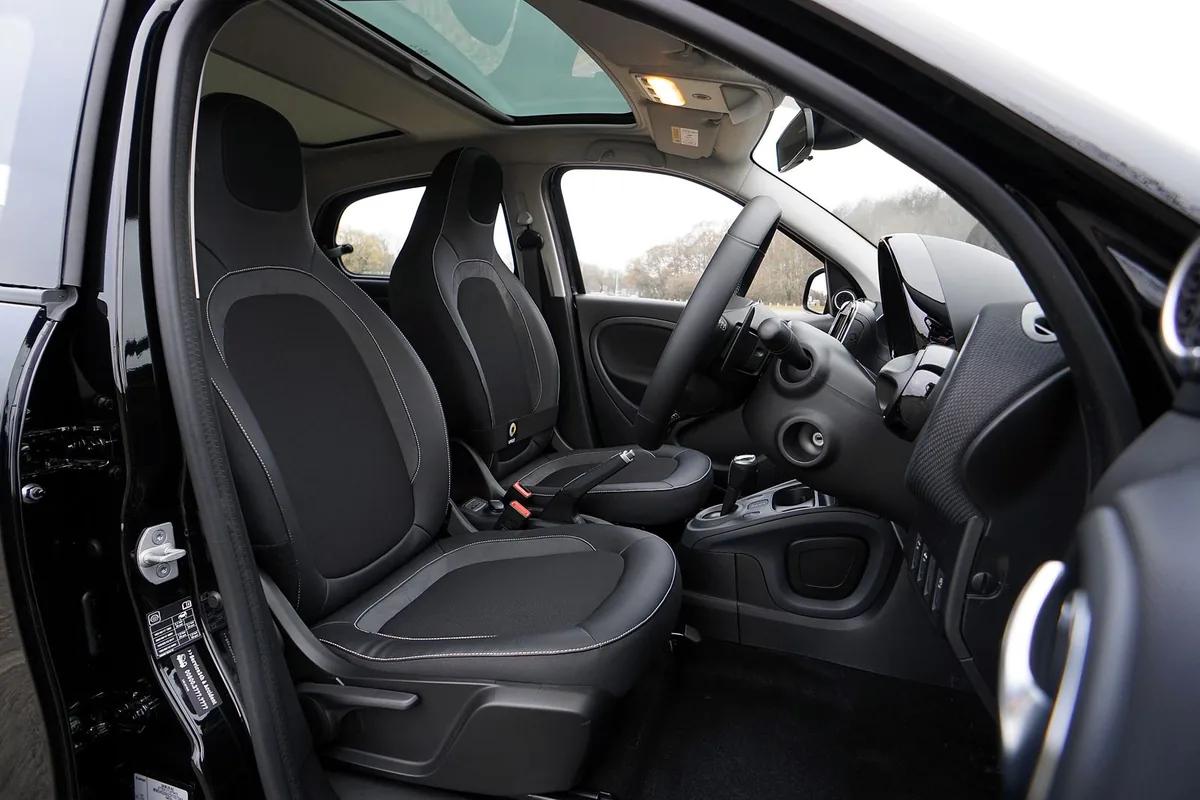
Careful removal of blood, waste from people or animals, body fluids and other contamination from a car, RV, truck, fleet vehicle or boat is vehicle biohazard cleanup. After removal, the affected area is cleaned, disinfected and treated for odor.
What appears on top of a vehicle interior may not show the full affected area. A spill can penetrate the seat covering, soak the foam, travel below carpet and gather near clips or wiring passages. Moving air may draw odor toward vents or into a cabin filter. Unlike appearance-focused detailing, biohazard remediation tracks where contamination went and considers the areas around it.
A controlled assessment guides the use of protective equipment, detailed cleaning, hazardous waste disposal and removal of anything that cannot be fully disinfected. The label's complete contact time is observed by keeping an EPA-registered disinfectant wet. This process clarifies which vehicle components can remain and which affected interior materials must come out.
Documentation for your property owner, fleet records or insurance company can include images, the cleaning scope and details of materials taken out.
Calls receive an answer around the clock, while unmarked vehicles help crews arrive discreetly. Your circumstances can be discussed confidentially, giving you space to choose what happens next.
You help decide how paperwork, equipment and personal items are separated. Being present in the car does not automatically make an item waste.
Before hiring a cleanup company, find out how it plans to inspect the vehicle. Before you move forward, learn what the inspection found, which components may remain, what needs removal and what can change the cost.
If affected material extends beyond one small, safely wipeable mark on a hard surface, a vehicle may need biohazard cleaning. Circumstances vary, but these common examples call for keeping the doors closed and arranging an inspection:
After a medical event, injury or crash, fluid can remain on the carpet, seats, console, doors or cargo area. Contamination can reach underlying padding despite appearing small on the surface.
For a vehicle released by law enforcement after a crime or trauma, contamination can be left to a cleaning service, sparing you and your loved ones from seeing the affected areas.
Waste from illness, incontinence or prolonged occupancy, including urine, vomit and feces, can soak into seams or porous vehicle materials that ordinary cleaning misses.
Needles and drug paraphernalia create puncture and exposure risks. Avoid reaching into door storage or beneath vehicle seats, where you may encounter an unseen sharp item.
Your first steps should limit contact and keep contamination from moving through the cabin. Take these precautions before cleanup technicians inspect the vehicle:
Call (888) 440-9227Vehicle biohazard cleanup has a published cost range of $500 to $5,000. Final pricing is affected by the seriousness of the event, cabin material types, elapsed time and any need to decontaminate the air system. Because hidden contamination can lie below carpet or a seat, an inspection from the doorway alone is not enough to set the cost.
The figures shown are national ranges from published cost guides and are not based on an on-site visit. An on-site assessment determines your property's price, which is explained to you before the cleanup starts.
Ask about cost: (888) 440-9227Auto insurance can sometimes cover vehicle biohazard cleaning when the underlying event falls within your policy. Since deductibles, required documents and coverage differ, ask the insurance company about them before authorizing the work if circumstances permit.
The vehicle owner or fleet manager usually starts the claim and approves access. Commercial policies may have different limits, exclusions and record requirements.
Victims of violent crime can ask the North Carolina Department of Public Safety's Office of Victim Compensation Services about crime scene cleanup, which the program lists among accepted expenses. Insurance is usually checked first.
Keep the claim number, photos, cleanup scope, removed-material list and waste records. Check with your claims adjuster prior to disposing of damaged items that could require examination.
Tell the adjuster what happened without disturbing the vehicle. Ask the insurer if your coverage includes cleanup, transport, restoration and taking out contaminated vehicle parts.
A controlled sequence keeps the vehicle biohazard remediation process from carrying contamination between cabin areas. The exact steps across the full process reflect the kind of event, the materials inside and how much time has passed since exposure.
Cleanup technicians examine seating seams, floors, visible air inlets and every interior storage or cargo space. Photos record the starting condition and help define the work.
The car and surrounding cleanup space remain isolated from the public. The exposure determines the gloves, clothing, eye shields and other protective gear used during cleanup.
You can decide what happens to contaminated materials, while belongings are divided into unaffected, potentially cleanable and affected groups.
Seat covers, foam, carpet, padding, headliner or trim are removed only where contamination has entered material that cannot be fully disinfected.
Hard surfaces are cleaned before an EPA-registered disinfectant is applied. The treated area remains visibly wet throughout the label's required contact period.
The air intake, vents and cabin filter are checked when odor or contamination may have entered the climate system. Removing the source continues to come first.
Removed material is packaged for disposal under the rules that apply to the waste. An insurer or fleet manager can use the cleanup records.
To avoid material being left behind, cleanup technicians visually inspect the affected areas along with surrounding areas. You learn what was cleaned, what was removed and what restoration services are still needed.
Call any hour. Your vehicle biohazard cleanup specialist answers the phone, describes what happens next and works with you on a start time.
Blood, bodily fluids, waste and hidden sharp objects can create serious health risks inside the small, enclosed space of a vehicle.
Hepatitis B, hepatitis C and HIV may be present in blood. Hepatitis B survives at least seven days on surfaces, the CDC says, making careful treatment of dried material necessary.
A needle can hide beneath a seat, inside a pocket or among personal property. You risk exposure by sorting through the cabin without tools designed to resist punctures.
Gravity draws liquid into seams. It may reach seat foam, carpet padding, floor channels and fasteners even when the visible surface looks dry.
Can you clean it yourself? A few fresh drops on a hard, non-porous surface may be cleaned with gloves and an EPA-registered disinfectant used for its full label contact time. Keep away and seek professional cleanup when fluid reaches a vent, headliner, seam, carpet, foam or fabric, or when a sharp object is in the area.
Whether an interior part stays depends on material and access. Non-porous pieces may remain if there is access to clean and disinfect every side. Affected porous material may require removal after a spill soaks in.
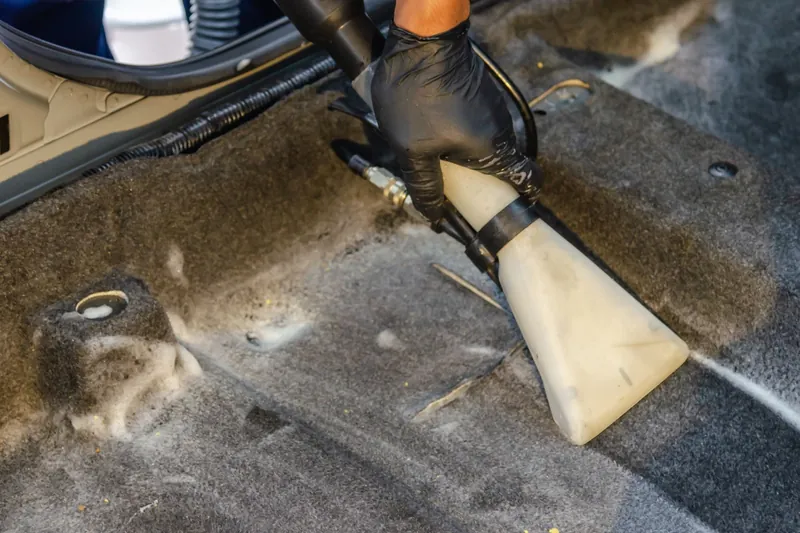
When workers may encounter blood on the job, the OSHA Bloodborne Pathogens Standard, 29 CFR 1910.1030, establishes requirements for training, protective equipment and exposure controls.
A disinfectant should be EPA-registered for the target pathogen and compatible with the surface. The disinfectant needs to stay wet throughout the label's stated contact period.
North Carolina treats soaked materials from a biohazard scene as medical waste. Rules from the state Department of Environmental Quality's Solid Waste Section control how it is packaged, stored, transported and treated, so it cannot go in household trash.
North Carolina uses a statewide medical examiner system run by the Office of the Chief Medical Examiner, with county medical examiners appointed in each county. Cleanup starts after police or the medical examiner or coroner release the scene.
The time needed for biohazard vehicle cleaning is set after inspection. A limited hard-surface cleanup takes less time than work that requires seat removal, carpet removal, vent inspection, repeated treatment or replacement parts.
The full vehicle biohazard cleanup guide covers what is cleaned or removed, odor and air quality work, and the rules that apply in Gaston County and North Carolina.
Read the full vehicle biohazard cleanup guidePlanning for access, containment and cleanup can depend on local population, housing and entry conditions.
Rental households account for 45.8% locally, which can add access questions when the affected room is inside a managed property.
In housing built around 1978, a moisture check can help define how far sewage or cleaning water traveled.
About 3,400 older residents live alone in Gastonia, equal to 29.5% of seniors and still relevant to welfare planning.
The local 71.4% single-family share makes household level privacy practical while affected rooms are isolated and treated.
You can ask about cleanup in nearby communities and ZIP codes during the call.
Emergency vehicle decontamination covers transport units, police cars and ambulances.
See police and ambulance vehicle decontamination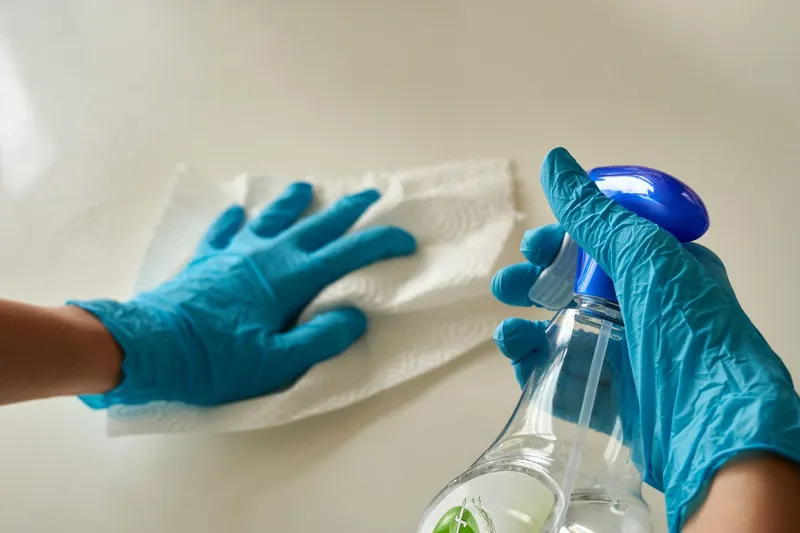
Walls, carpets, furnishings and hard floors receive blood cleanup, with safe disposal afterward.
See blood cleanup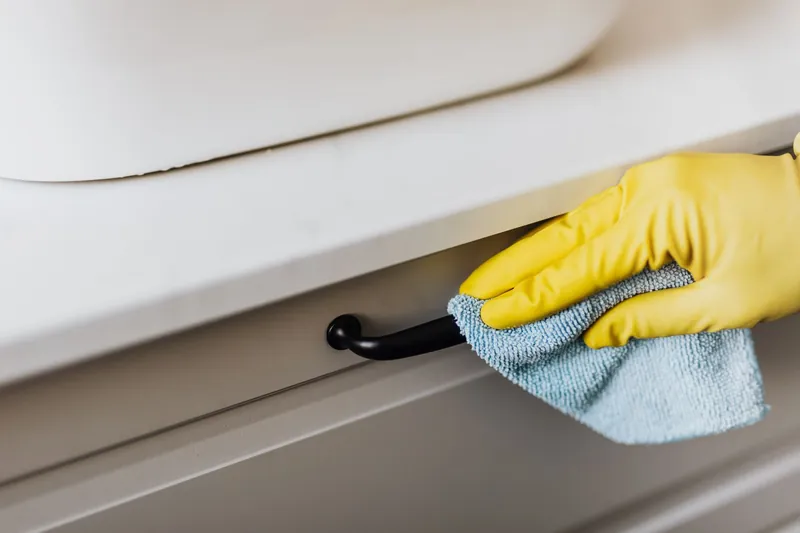
Homes, care environments and businesses receive bodily fluid cleanup and disinfection.
See bodily fluid cleanup
Biohazards are cleaned from carpets and upholstery, or affected materials are removed safely when needed.
See biohazard carpet and upholstery cleaning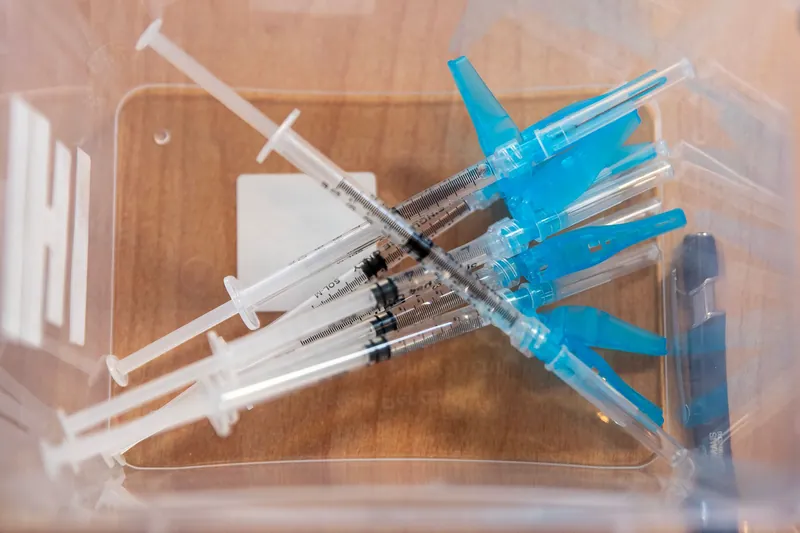
Needle and sharps cleanup for yards, rentals, parks and encampments.
See needle and sharps cleanup
Following accidents, violence or injuries, trauma scene cleanup addresses the affected area.
See trauma scene cleanup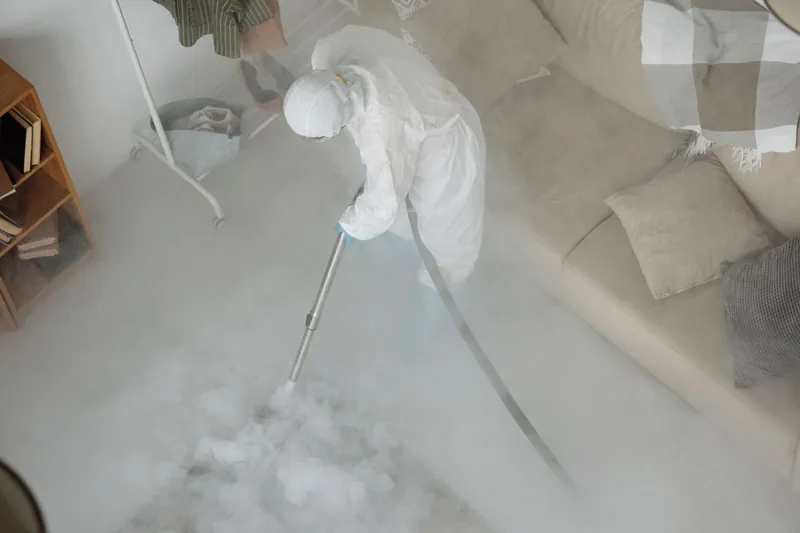
Full decontamination of rooms, surfaces and air after infectious or hazardous exposure.
See biohazard decontamination
Sealed containers with labels hold biohazard waste during collection and disposal.
See biohazard waste disposalBegin by restricting entry and finding every place the contamination reached. The cleaning process separates personal property, removes absorbent materials that cannot be disinfected, cleans solid surfaces and uses an EPA-registered disinfectant through the full labeled contact period. Before the interior receives its final check, workers examine odor sources, ventilation openings and the cabin filter.
Belongings should be sorted before cleaning begins. Belongings beyond the affected area can be separated, and washable non-porous objects may receive cleaning. Fluid-exposed porous belongings may be unrecoverable. Avoid feeling beneath seating, inside compartments or among unsecured items whenever a hidden needle or sharp object is possible.
Whether the car is safe depends on finding every affected area and properly removing or treating absorbent materials. Request documentation identifying cleaned areas, removed items and any inspection of the ventilation system or cabin filter. If you are buying the vehicle, consider an independent inspection and read all available records.
Biohazard damage means blood, bodily fluids, waste or related contamination affected the vehicle. Damage may include staining, odor and material that cannot be safely kept, such as soaked seat foam or carpet padding. It is different from ordinary dirt. A separate hazmat evaluation may be necessary for chemical damage because the two conditions can differ.
Usually, this report indicates that a record source was told about biohazard contamination involving the vehicle. The report alone cannot explain what happened, how well cleanup was completed or the vehicle's current state. Get the event history, cleanup documents and parts-replacement list from the seller or owner, and have the car independently inspected before you choose to use or buy it.
Cleanup could qualify for auto insurance when the underlying cause falls within your coverage. Coverage is not automatic, and a deductible or exclusion may apply. If delaying work is safe, call the insurance company first to report the incident, confirm towing and restoration details, and find out what records and photos the adjuster requires.
Discreet, respectful vehicle biohazard cleanup, 24 hours a day, with crews in unmarked vehicles.